
Environmental officials have issued a stark warning for the Kent coastline. They anticipate that millions of tiny, contaminated plastic beads will wash ashore again this weekend, December 5th and 6th, 2025. This unfolding pollution crisis is the result of a major infrastructure failure at a Southern Water treatment facility in East Sussex last month.
The seriousness of the situation cannot be overstated. Experts are describing the event as one of the worst plastic spills ever recorded in the United Kingdom.
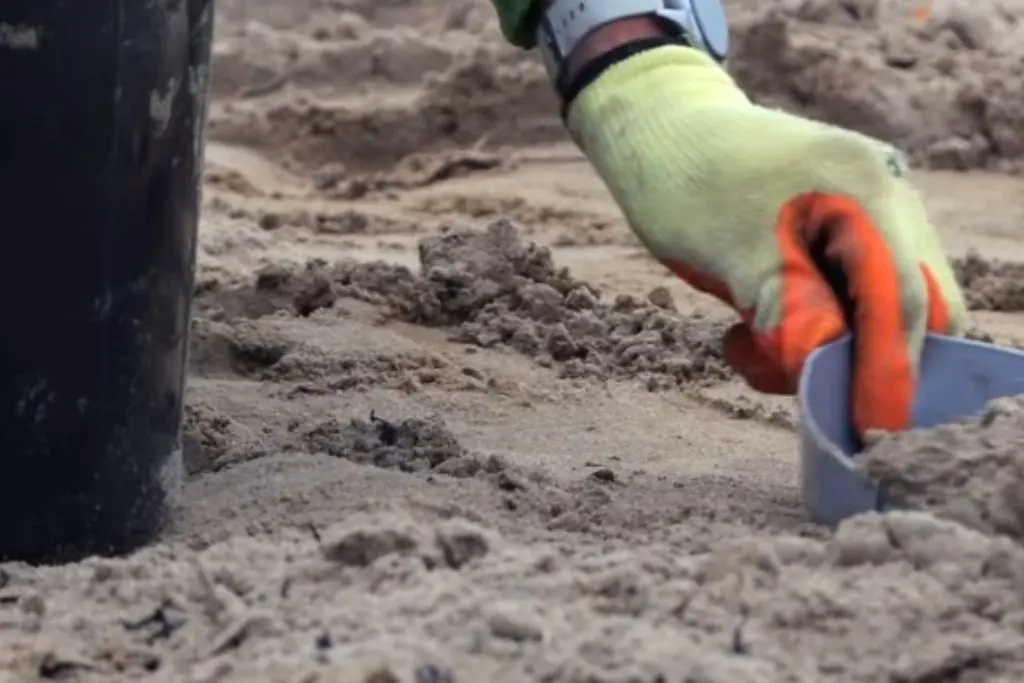
This latest alert is timed just as spring tides are set to arrive. These especially high tides are predicted to drive the bio-beads, small, lentil-sized plastic pellets, much further inland onto the beaches. The influx threatens vulnerable coastal wetlands, adding serious complications to the difficult cleanup operation already underway.
Areas previously hit hard are now preparing for a fresh wave of microplastics. These include Dungeness and St Mary’s Bay. Since the original incident near Eastbourne, the beads have been constantly migrating eastwards along the coast. Authorities are strongly urging the public to be extremely careful: all sightings should be reported, and people should wear gloves. Crucially, children and pets must be kept away from the beads because of their known potential toxicity.
The True Extent of the Spillage
The contamination started in early November 2025. Heavy rainfall contributed to the failure of a screening filter at Southern Water’s wastewater treatment works in Eastbourne, which was overwhelmed. This mechanical fault allowed an unprecedented volume of the plastic bio-beads, used for biological filtration, to pour directly into the sea.
The pollution campaign group Strandliners put the estimate at roughly 650 million individual pellets. This figure suggests a total spill of about ten tonnes of plastic. Southern Water has offered its own figure, suggesting “substantially fewer beads, less than ten tonnes, have entered the environment.”
Regardless of the final tally, the scale of the incident is massive. The pollution has swept across over fifty miles of coastline, stretching from East Sussex well into Kent. Cleanup crews, backed by specialist contractors and local volunteers, are struggling on the affected beaches. The pellets are so numerous and small that many experts believe the complete removal of the plastic from the marine environment is practically impossible.
Severe Dangers to the Environment
These plastic beads pose a severe threat to the Kent coast’s sensitive natural areas. This includes the protected Rye Harbour Nature Reserve and the wider Romney Marsh.
The pellets are inherently contaminated because they were used inside a sewage treatment environment. Classified as primary microplastics, they are notorious for their tendency to act as ‘toxic sponges.’ They efficiently soak up harmful chemicals from the surrounding seawater directly onto their surfaces.
Reports have confirmed the presence of dangerous substances. The beads contain polycyclic aromatic hydrocarbons (PAHs), chemicals explicitly linked to cancer. Additionally, testing showed they carry heavy metals and other toxins, including lead and antimony.
Marine life faces an immediate and deadly threat. Seabirds, fish, and small crustaceans frequently mistake the light, buoyant pellets for food, such as fish eggs. This biological confusion is highly dangerous.
Dr Corina Ciocan, a marine biologist at the University of Brighton, explained the floating hazard. She noted that the lightness of the plastic means the beads stay on the surface. “Because the plastic is so light, those bits are going to tend to float on the surface of the water so they’re going to be available for both animals in the water column and also for birds that are going to look for prey on the surface,” she said. Once ingested, the plastic causes internal damage, blocks the digestive system, and ultimately leads to starvation. Furthermore, the build-up of these toxins as they move up the local food chain remains a major long-term concern.
Southern Water’s Response and Accountability
Southern Water has acknowledged the crisis, stating it is “deeply sorry for the impact” it has caused to wildlife, the environment, and local communities.
The firm is fully cooperating with the Environment Agency. The agency has launched an active investigation into the failure and any potential breaches of environmental permits. An agency spokesperson confirmed that the organisation “will not hesitate to take robust enforcement action where appropriate.”
Resources have been urgently mobilised for this weekend’s predicted wash-up in Kent. A company spokesperson confirmed that staff and specialist contractors are now conducting daily monitoring across more than 60 miles of coastline.
To assist the cleanup, the company has launched an online reporting tool. They are asking the public to submit sightings using specific location tools, like What3Words. Southern Water confirmed it will meet the full costs of the clean-up operation. They have also assured customers that this expenditure “will not impact investment in essential services.”
Calls for a Policy Change
This massive environmental crisis has sparked intensified demands from both politicians and campaigners for an industry-wide ban on the use of plastic bio-beads in wastewater treatment facilities across the UK.
Local Liberal Democrat MP Josh Babarinde sharply criticised the incident, describing it as an “environmental disaster.” He continues to demand that Southern Water be held completely accountable for the infrastructure failure.
Southern Water noted in its defence that bio-beads were considered the “best available technology” when older sites, such as the Eastbourne plant, were built in the 1990s. Newer facilities now utilise safer membrane technology. The company is currently reviewing the possibility of replacing the plastic beads at its five remaining sites. They caution, however, that switching systems would necessitate substantial investment and regulatory approval. Environmentalists argue that such investment is absolutely crucial to safeguard the UK’s coastline from future pollution events.