South East Water’s CEO is facing immediate calls for his resignation after a catastrophic supply failure left 24,000 homes in Kent without clean water. However, a senior director has defended the executive, arguing the crisis is a symptom of deep, systemic problems across the entire UK water industry.
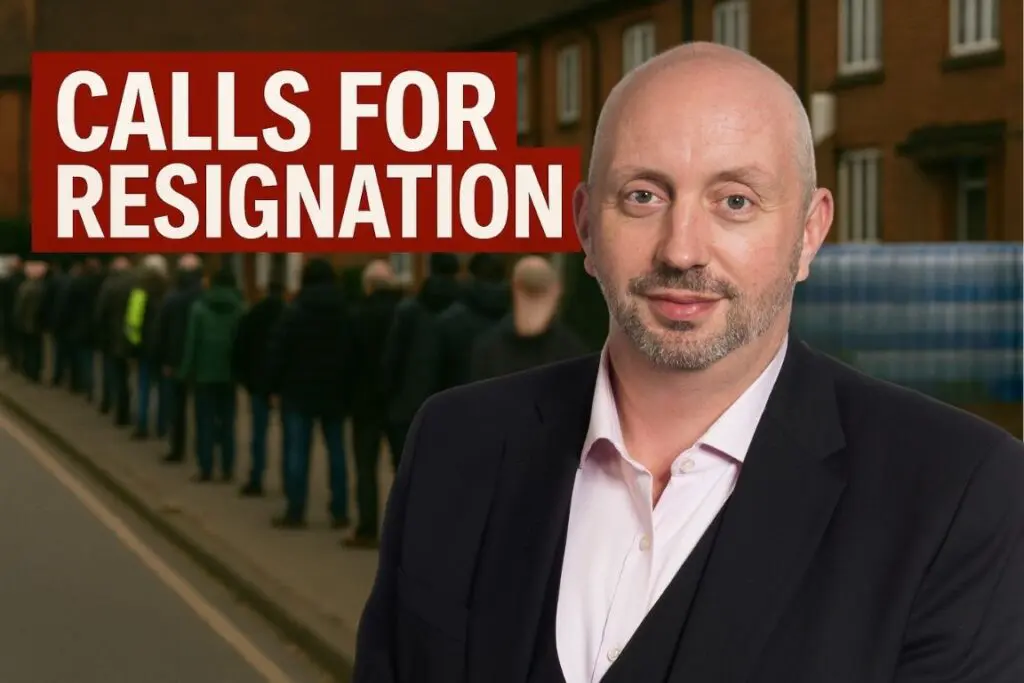
Douglas Whitfield, SEW’s Water Supply Director, insisted that demanding the departure of chief executive David Hinton “fundamentally misunderstand the challenges.” The director argued the required changes in the sector “are far wider than individual company and individual people,” speaking to BBC Radio Kent. This defence follows widespread public anger and calls for accountability over the supply failure in the Tunbridge Wells area.
Public Health Emergency Declared
The lengthy disruption began in late November after a serious fault occurred at the Pembury Water Treatment Works. The site shut down when SEW confirmed a “bad chemical batch” had contaminated the treatment process. This contamination caused the initial massive outage.
After partially restoring supply, water quality issues resurfaced. The company was then forced to issue a precautionary boil water notice for the affected area. This order was expected to remain in place for a minimum of 10 days.
The fallout rapidly escalated into a local public health emergency. Businesses, including local restaurants and hotels, were forced to close. Essential local services faced critical disruption, with schools, nurseries, and GP surgeries shutting down. The severity was starkly shown when kidney dialysis patients had to be transferred 40 miles to London for essential treatment. Long queues formed at bottled water stations across the town, with customers voicing visible anger over poor communication and supply reliability.
MP Demands Immediate Accountability
The Liberal Democrat MP for Tunbridge Wells, Mike Martin, became the crisis’s most vocal critic. He repeatedly called for Mr Hinton’s resignation.
Mr Martin branded the situation “an utter disgrace” and “a total failure of leadership.” The MP argued that the crisis represented the company’s failure to keep promises made after a similar, extensive outage had occurred in 2022.
“David Hinton, the CEO of South East Water… must resign,” Mr Martin told reporters. He stated that the incident had happened before. He also recalled that Mr Hinton had personally assured him that lessons would be learned regarding crisis management, communications, and system resilience. The MP concluded that all of those assurances turned out to be completely false.
The strong demands for accountability rest on the belief that, regardless of wider industry issues, the immediate responsibility for the company’s crisis response and network resilience lies directly with its senior management.
Systemic Weakness and Regulatory Warnings
The director’s defence focuses on systemic weakness. This argument is supported by evidence of financial fragility within SEW and the wider sector.
It has been disclosed that the Pembury treatment facility, the centre of the contamination, was under scrutiny before the failure. The regulator had already issued a critical warning. In 2024, the Drinking Water Inspectorate (DWI) had served a risk notice to SEW. This notice stated there was a “significant risk of supplying water… that could constitute a potential danger to human health.” It required urgent upgrades to the plant and associated water storage tanks.
Critics argue that the company failed to find enough money for these necessary upgrades. This is often seen as a wider industry problem: the sector frequently prioritises paying shareholders over fixing old pipes and ensuring infrastructure resilience. SEW was already on a financial watchlist created by Ofwat and had been compelled to seek a £200 million cash injection from its investors before the incident. This highlights the company’s worrying economic position.
Regulatory Investigation Launched
The crisis has led to official intervention. The DWI confirmed that it has launched a formal investigation into the Pembury incident. The probe will focus on determining the cause of the failure and why the company took so long to restore supply to customers.
Furthermore, the SEW failure is not an isolated case. It is one of a string of recent high-profile water supply breakdowns across the country. This broader context supports the idea that structural reform across the privatised industry is vital. The government is expected to face mounting pressure to enforce tougher investment and resilience standards on all UK water utility companies.