
The long-vacant shell of the former Debenhams department store is finally set for a transformation. Construction crews are scheduled to arrive on-site this coming Monday. This move marks a critical turning point in a multi-million-pound effort to bring a modern health centre to the heart of the town.
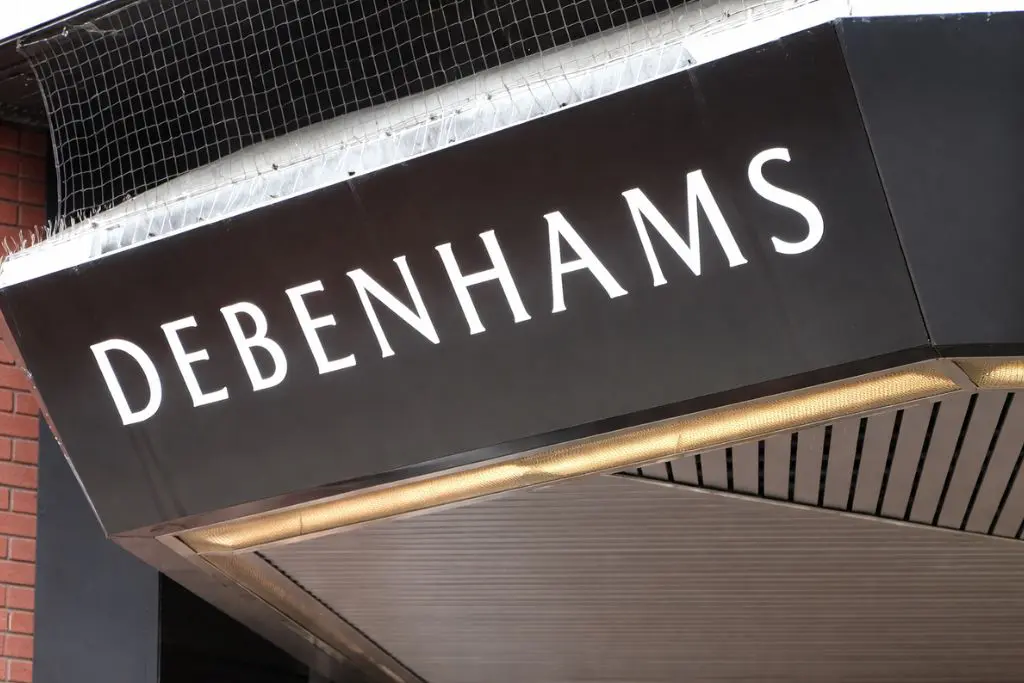
Folkestone & Hythe District Council (F&HDC) confirmed this week that local firm AW Construction Services Ltd has been handed the contract for “Phase 1” of the project. Work will focus primarily on the Art Deco wing of the building. Now known as Folca 2, this section faces onto Sandgate Road.
For residents who have watched the building sit idle for five years, the sight of scaffolding will be a welcome change. This initial six-month stint is designed to tackle the “bones” of the structure. Teams will be tasked with making the building completely watertight. They must replace the ageing roof and install new windows.
Stripping back the past
Before any doctors can move in, the interior must be gutted. This first phase includes a comprehensive internal strip-out and essential damp-proofing. One of the most technical aspects of the upcoming weeks will be the construction of a new party wall. This structure is required to physically divide the Art Deco section from the older Edwardian portion of the site. That part, known as Folca 1, sits on Bouverie Place.
The council originally snapped up the site for £2 million back in 2020. Since then, the 1930s landmark has mostly gathered dust. It did have a brief stint as a temporary COVID-19 vaccination clinic. However, the vision for its future is far more permanent. The plan is to relocate two over-stretched local surgeries into a single facility. These are the Guildhall Street and Manor Road practices. Once finished, it will be a state-of-the-art hub capable of serving more than 23,000 patients.
A green makeover for a town staple
Sustainability is at the core of the refurbishment. The council successfully secured a £1.44 million grant from the Public Sector Decarbonisation Scheme. This is no small feat. This funding is specifically earmarked for “greening” the building. By installing high-grade insulation and low-carbon heating systems, officials hope to see a change. They estimate the site will save over 100,000kg of carbon dioxide emissions every single year.
This environmental push is part of a much larger financial puzzle. Another £2.2 million has been pulled from the government’s “Folkestone – A Brighter Future” fund. When you look at the wider town, it is clear this isn’t an isolated project. It sits alongside a £20 million regeneration scheme. That project is currently tearing up and relaying the bus station. It is also pedestrianising nearby streets. The goal is to make the centre more attractive to shoppers and commuters alike.
The “Track B” safety net
While the hammers are ready to swing, some bureaucratic hurdles remain. The shift of the medical surgeries is still dependent on a final business case. It also needs a signed lease with the NHS Kent and Medway Integrated Care Board (ICB). While the ICB is broadly supportive, the council is playing it safe.
They have developed what they call a “Track B” plan. Essentially, if the medical centre deal were to fall through for any reason, the building would be pivoted. It would move toward purely commercial use instead. This ensures the taxpayer isn’t left with a “white elephant” in the middle of the high street. Meanwhile, the Edwardian half of the building is being sold off separately. A preferred bidder has already been selected from a pool of six interested parties.
Looking ahead: What residents will see
If you are walking through the town centre next week, you will notice a change. The first sign of progress will be the removal of the external stairs on Albion Mews Road. Shortly after, the Sandgate Road facade will be shrouded in scaffolding.
Councillor James Butcher leads on the District Economy. He believes the project is a vital piece of the town’s recovery. He pointed out that bringing thousands of patients into the town centre every week would provide a massive boost. Local shops and cafes are expected to benefit from the increased footfall.
The council is currently on the hunt for a lead designer. This person will map out the internal rooms and commercial units. With a deadline for those bids set for late March, the momentum behind the “Folca” project finally seems to be hitting its stride. For a building that has defined Folkestone’s skyline for nearly a century, its second act is officially underway.