
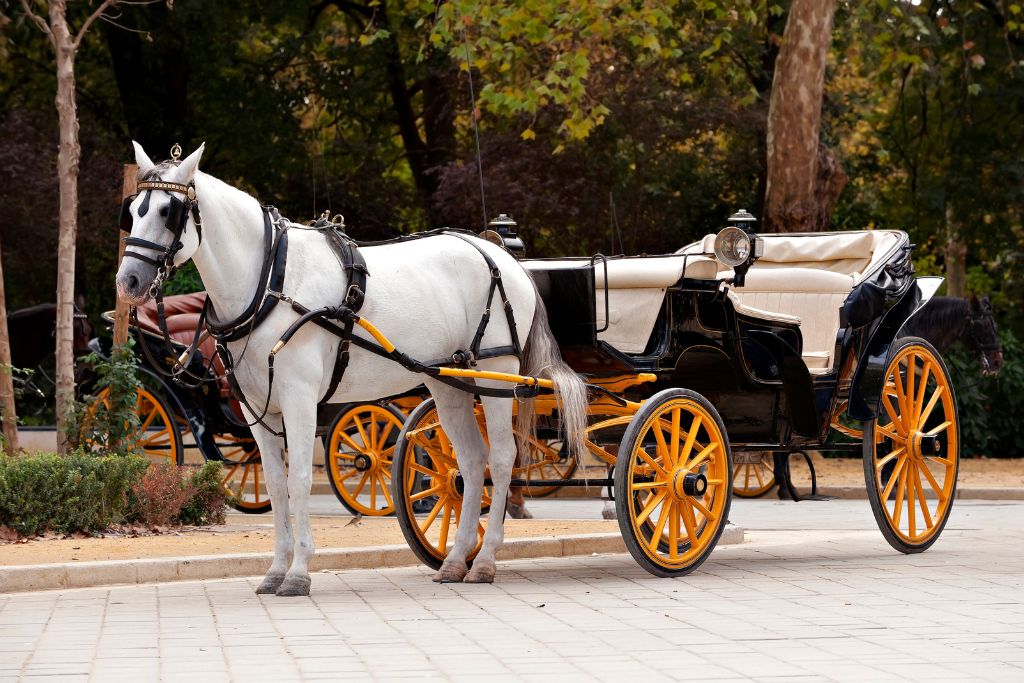
Plans to introduce horse-drawn carriage rides to the historic streets of Canterbury have sparked a fierce backlash. Animal rights activists are now preparing to protest what they describe as an “exploitative” and “archaic” trade.

The proposal comes from a local firm, Perfect Pleasure Horse Drawn Carriages. It has split the cathedral city in two. Supporters view the move as a nostalgic boost for the tourism sector. However, a growing coalition of campaigners and local residents wants Canterbury City Council to block the application on welfare grounds.
PETA UK recently handed over a petition to the local authority. It carries more than 15,000 signatures. The group argues that forcing “sensitive animals” into busy urban traffic is fundamentally inhumane.
The welfare battleground
A fundamental disagreement over the role of animals in modern tourism sits at the heart of this dispute. Campaigners argue that a bustling 21st-century city is no place for a horse.
“Horses aren’t taxis,” says Reuben Skeats, a campaigner for PETA. He argues that it is wrong for horses to live “nose-to-bumper” four days a week. “They are being carted in and out of the city and forced to haul tourists around. These are not commodities that we can force to work for our benefit,” he told reporters.
Activists are highlighting the physical toll of urban work. They often cite chronic injuries, such as lameness, and the risk of animals becoming spooked by heavy traffic. Many reference a 2024 collision in Leicestershire. In that instance, a similar carriage accident left a man seriously injured. To the protesters, it serves as a stark warning.
A question of tradition vs ethics
The business behind the bid sees things differently. They believe the carriages offer a traditional, eco-friendly way to see Canterbury’s heritage. Ellie Samuels, the owner of the firm, says welfare is her “highest priority.”
Ms Samuels maintains she has picked a quiet route. It uses minimal traffic to keep the animals safe and comfortable. Yet the political mood seems to be shifting. In town halls across the country, the debate around animal welfare is getting sharper.
The council now finds itself in a difficult spot. Officials want to support small businesses and boost the local economy. But the public’s appetite for animal-based entertainment is clearly waning. This is about more than a single carriage. It is a question of what kind of city Canterbury wants to be in 2026.
The ‘electric’ alternative
As the council weighs the application, some look to the continent for a solution. Cities like Brussels have already phased out live animals. In their place, they use electric ‘horse-less’ carriages.
These vehicles keep the Victorian look without the welfare worries. PETA is now pushing for this approach in Kent. Kate Werner, PETA’s Senior Campaigns Manager, noted that Brussels replaced their carriages with electric versions. These allow visitors to explore “without putting horses at risk.”
“We want visitors to explore our beautiful city,” says one local campaigner. “But we don’t believe that experience should come at the cost of an animal’s well-being.”
What happens next?
Canterbury City Council is currently in talks with the operator. A spokesperson for the council said welfare is one of their “highest priorities.” Any licensing process would involve a vet’s inspection. An animal welfare officer would also attend.
The battle lines are already drawn. Activists are planning a demonstration in the city centre. They want to time the protest to match the council’s decision-making process.
Whether the sound of hooves will soon return to Canterbury’s cobbles remains to be seen. What is clear is that the political heat under this issue is rising.
A wider trend?
Canterbury is not alone in this debate. It is part of a global shift. From Chicago to Prague, cities are looking again at horse-drawn carriages. In many places, technology is replacing tradition. It offers the same charm but removes the ethical baggage.
The outcome here will be a big indicator of the city’s future. Will Canterbury stick with traditional methods? Or will it follow the lead of other European cities and choose a more modern, welfare-conscious approach?
The eyes of both campaigners and the tourism industry are on the council. For residents, the choice is between a link to the past and a new kind of urban experience. It is a classic clash of heritage and modern values.
Whatever the result, the decision will set a precedent for other historic UK towns. In an age where animal welfare sits high on the political agenda, the “status quo” is no longer a safe bet for local authorities.