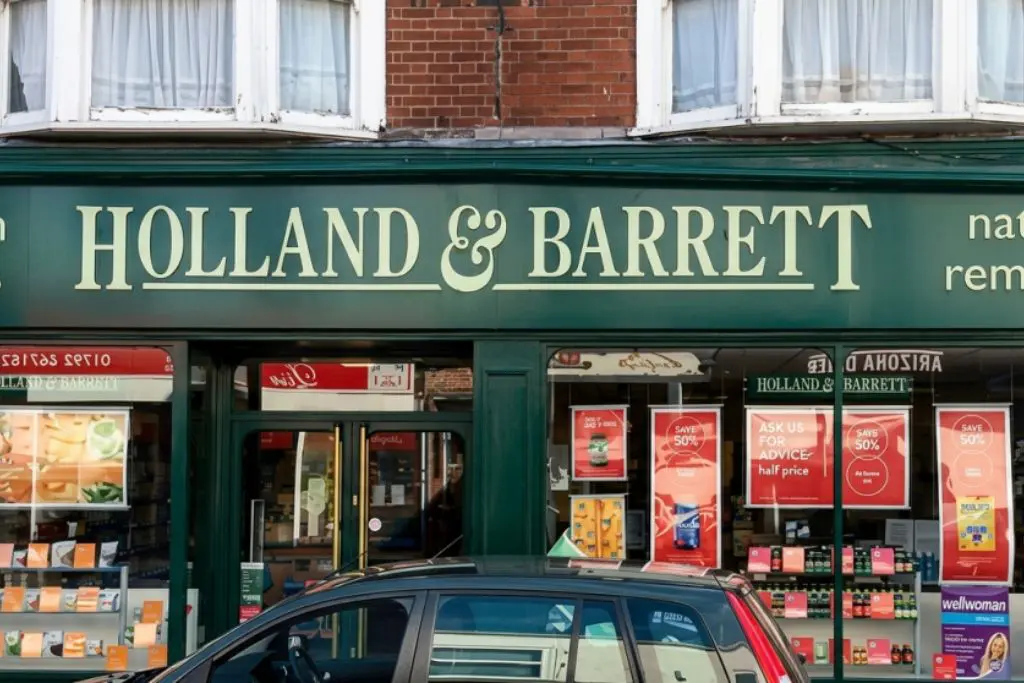
Canterbury City Council has approved a controversial application. The decision allows a local convenience store on St Dunstans Street to run 24-hour alcohol delivery services. This ruling sets a new precedent for the city’s licensing policy. Canterbury Wine Mart can now sell and dispatch alcohol at any time of the day or night. This service must be done exclusively through major third-party delivery platforms. These platforms include Deliveroo, JustEat, and UberEats.

The council’s Licensing Sub-Committee confirmed the ruling. This significantly extends the shop’s trading hours. The decision immediately attracted formal objections from Kent Police and local residents. They were greatly concerned about increased noise pollution, the potential for more anti-social behaviour, and the overall deterioration of public amenity in the residential area nearby.
The approval represents a major commercial win for the Wine Mart. It allows the business to participate in the growing late-night delivery market. A comprehensive set of non-negotiable conditions was applied to the licence. These strict rules were designed to minimise the risks of supplying alcohol throughout the night in a densely populated urban setting. A key aspect of the application was that all sales would be off-premises, fulfilled by couriers. This was meant to ensure there would be no public footfall or customer queuing at the shop during the extended hours.
The New Era of Ultra-Late Delivery
The Canterbury decision highlights a national trend. Local authorities everywhere are struggling to adapt to the digital changes in retail. Modern on-demand delivery services have drastically changed what customers expect. Products, including alcohol, are now demanded instantly, regardless of the time.
Canterbury is famous for its historic cathedral and its large student population. The 24-hour delivery model offers a significant new commercial opportunity here. The Wine Mart can now fill orders through popular apps. This gives the shop access to a market segment traditionally served by only a few locations, like large petrol stations, which often hold 24-hour licences.
The applicant successfully argued a key point. They showed that using third-party logistics – where an online transaction leads to a contracted driver picking up the goods – is fundamentally different from running a traditional 24-hour shop. This distinction was vital. It convinced the sub-committee that even with the radical increase in hours, the objectives of the Licensing Act could still be upheld.
Key Opposition from Police and Community
The application was strongly opposed by the community. Residents living near St Dunstans Street and nearby lanes submitted many written objections. Their primary fear was the severe impact the extended trade would have on their quality of life.
Noise Disruption Concerns
The main focus of the complaints was public nuisance caused by noise. Objectors argued that constant trips by delivery drivers on scooters or in cars, plus the noise from collections and drop-offs, would severely interrupt sleep during the quietest hours of the night.
Kent Police also filed a formal objection. The police representation focused on the possibility that the new service would weaken the local authority’s primary duty to prevent crime and disorder. Police officials acknowledged the measures to reduce risk. However, they expressed concern that making alcohol more accessible during early morning hours could put unnecessary pressure on police resources. They worry about managing incidents of disorder in the city centre and surrounding areas that result from the late-night economy.
The Licensing Sub-Committee had a difficult task. They had to balance the shop’s commercial interests and the valid demand for late-night delivery against their legal duty to protect the public from harm and nuisance. The final ruling indicated they were satisfied. They felt the proposed operational schedule, along with the specific, enhanced conditions, provided adequate safeguards.
Essential Safeguards and Licence Conditions
The approval of the 24-hour delivery licence depends on the strict compliance with specific rules set by Canterbury City Council. These conditions are stricter than usual requirements for off-licences. They place heavy emphasis on age verification and driver accountability.
Preventing Underage Sales
The licence includes a mandatory requirement for robust age verification. This is the most important condition. The Challenge 25 policy must be strictly used by all delivery staff. This means anyone appearing to be under the age of 25 must show valid photo identification when the delivery arrives.
Crucially, drivers have the clear authority and instruction to refuse delivery if the recipient cannot show proof of age, or if the driver suspects the recipient is intoxicated. This rule transfers compliance responsibility directly to the point of delivery, addressing a common weakness in remote sales.
Driver Accountability and Operations
To deal with the immediate worries about public nuisance, the licence includes rules for the behaviour of delivery personnel. These include:
- Mandatory Training: All third-party drivers who collect alcohol orders must complete specific training. This training covers the rules of the premises licence and includes methods for reducing noise disturbance when they arrive at and leave the St Dunstans Street address, especially between midnight and 6 am.
- Record-Keeping: The licensee must keep accurate and complete records of all late-night deliveries. This information must include driver details, departure times, and destination postcodes. These records must be available for inspection by the Police or the Licensing Authority. This creates an auditable history for enforcement purposes.
- CCTV Coverage: High-definition CCTV systems must operate 24 hours a day. These cameras must cover all areas where delivery drivers wait and load goods. The footage must be stored for a specified minimum period to help investigate any potential incidents of disorder or non-compliance.
The granting of this licence is a success story for the business, but it comes with a warning. The committee clearly stated that the continued privilege of 24-hour operation relies entirely on the Wine Mart’s ability to constantly and demonstrably follow these protective measures. Any serious breach is likely to lead to a quick licence review hearing. This could result in the revocation of the extended hours. This landmark decision will now be closely watched by other local authorities and licensing bodies across the UK.